Google's chief executive Sundar Pichai: 'We think privacy is for everyone'
Google, the company that may know the almost about our digital lives, is now preaching the gospel of privacy.
Speaking at an annual conference for developers Tuesday (May 7), Sundar Pichai, Google's master executive, delivered a message that seemed cognizant of today's consumer privacy concerns but out of step with the visitor'south history of intensive online information collection.
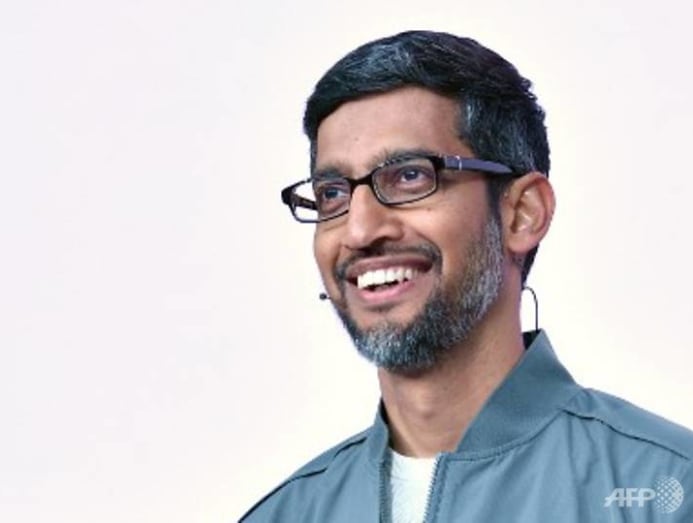
"We think privacy is for anybody – not just for the few," Pichai said. "We want to do more to stay ahead of constantly evolving user expectations."
Google introduced a set of tools spanning a range of its products to provide users with more than control over their data and make it more than difficult to track their online activities.
Google plans to permit users to navigate its maps, watch videos on YouTube and search for data in "incognito mode," limiting the amount of information shared with the company. It volition also allow users to delete web and app activity history automatically after 3 months or eighteen months.
Google added incognito mode to its Chrome browser a decade ago.
The company likewise said information technology would make information technology easier for users to find and delete information they take shared with the company, including location information in maps. For its Android operating system, Google said a new update would simplify how to limit the sharing of location data with app providers.
Final week, Facebook pushed a similar privacy theme at a company briefing. Mark Zuckerberg, the company's chief executive, declared that "the futurity is private" and announced a shift in its products to more than intimate communications.
Google and Facebook take go the dominant forces in online advert, gobbling up data as their users motility effectually their platforms and the cyberspace at large. But their aggressive collection of user data – laid bare past several embarrassing scandals in recent years – has put the companies in the cross hairs of politicians and global regulators.

While thousands of developers and journalists filed into an outdoor amphitheater where Pichai delivered his keynote, a plane flew overhead pulling a banner that read: "Google Control Is Non Privacy #savelocalnews."
"I suspect they saw the writing on the wall," said Fatemeh Khatibloo, vice president and principal annotator at Forrester. "These are meaningful changes when information technology comes to the user's expectations of privacy, but I don't remember this affects their business at all. And so why shouldn't they do these things to give the impression of more privacy?"
After the keynote spoken language, Google separately announced it would take steps to limit the use of tracking cookies on Chrome, the world'due south most popular browser with well-nigh a 60% market share.
Cookies permit companies to monitor which websites people visit and what ads they have viewed or clicked on. They also are a way for a website to think who you lot are so you don't have to log in every fourth dimension you visit. Cookies level the playing field for smaller companies in the digital ad globe – assuasive them to collect information that helps refine advertizing targeting.
The announcement is some other example of a privacy measure that will near likely take a bigger effect on Google's competitors. The internet behemothic uses cookies but is non dependent on them. Information technology already knows more valuable information such as what users search for, what videos they watch and what apps they've loaded on their phones.
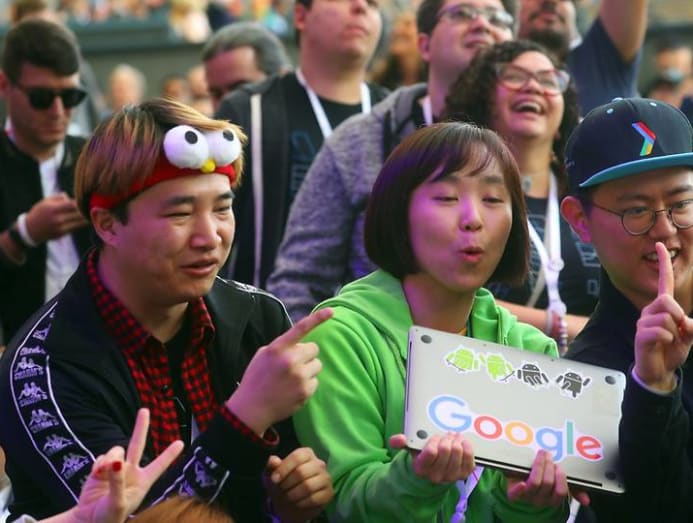
Fifty-fifty equally it was addressing some of the perils of data collection, Google demonstrated how it was using information that people provide to the company to make its products more useful.
Its next-generation Assistant, powered by the company'southward artificial intelligence, can learn more about yous to personalize reminders and tasks. It can remember your partner's birthday, for example, and remind you to buy a present a calendar week beforehand. It can besides help book car reservations on the spider web using emails and calendar data.
It can also empathize improve what y'all are doing. Google'due south digital assistant will have a driving mode to help drivers play music, set map destinations or respond phone calls more than easily without taking their hands off the wheel.
To make its Assistant faster and more responsive, Google unveiled a change in how the technology works on smartphones. Google said it would beginning processing what users say to the Assistant on the device – instead of sending it to data centers – allowing the smartphone to respond more quickly.
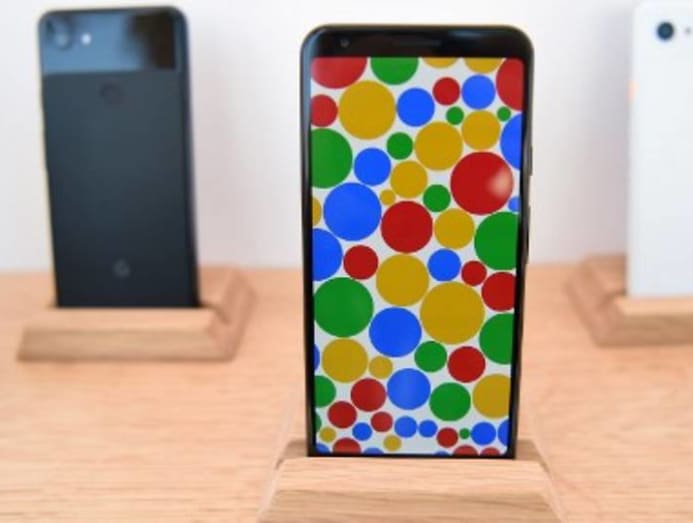
The company also introduced cheaper versions of its Pixel smartphone, bringing the company's lauded camera technologies to a new audience of budget-witting consumers. The devices, called Pixel 3A and Pixel 3A Forty, start at most US$400 (Due south$545) and US$480, compared to The states$800 and US$900 for their high-end counterparts.
IDC, a research firm, said a sales decline last quarter in the United States was linked to a slowdown for high-stop devices, which include iPhones, Samsung Galaxy devices and Google'south Pixels.
Though slower and lacking features like wireless-charging and a wide-angle lens, the cheaper Pixel shares many of the aforementioned characteristics every bit Google's premium devices. For i, they include the same rear photographic camera, which includes a way called Night Sight, which makes photos in low calorie-free look like they were taken in normal lighting.
(Text past Daisuke Wakabayashi and Brian X. Chen c.2019 New York Times)
READ: Google Pixel 3A Review: The S$659 smartphone you've been waiting for
Source: https://cnalifestyle.channelnewsasia.com/entertainment/google-s-chief-executive-sundar-pichai-privacy-is-for-everyone-251126
0 Response to "Google's chief executive Sundar Pichai: 'We think privacy is for everyone'"
Post a Comment